Fabric Pieces Canva Templates: Textured Design for POD
The Rise of Tactile Design in Digital Mockups
In a marketplace saturated with digital perfection, the human eye craves texture. We are biologically wired to appreciate the imperfect, the woven, and the tangible. This is where **Fabric Pieces Canva Templates** come into play. They bridge the gap between digital convenience and physical reality. For anyone running a print-on-demand (POD) business, the struggle is real: how do you make a flat digital file look like a physical product that a customer can imagine touching? Standard flat lays often look sterile. They lack the warmth and depth of a real-world environment. By incorporating fabric textures—think raw canvas, distressed denim, or soft cotton blends—you introduce a layer of visual interest that stops the scroll.
These templates are not just about placing a design onto a surface; they are about storytelling. When you use a mockup that features authentic fabric pieces, you are telling the viewer that your design is meant to be worn or used. It adds a layer of authenticity to your **brand identity**. Whether you are a **crafter** selling handmade goods or a **marketer** launching a new apparel line, the texture acts as a silent ambassador for quality. It suggests that the final product will be just as nuanced and detailed as the mockup. This psychological trigger is vital for conversion. It transforms a simple graphic into a lifestyle image, making the abstract concept of your design suddenly feel real and accessible to the adult consumer aged 20 to 50 who values quality and aesthetic.
Maximizing Versatility: From Canva to Commercial Use
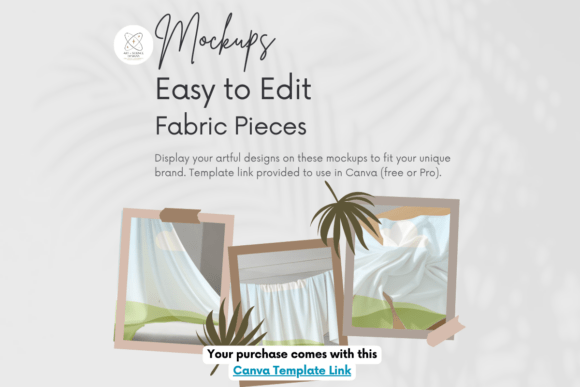
One of the most significant hurdles for **entrepreneurs** and **small business owners** is the technical barrier to entry. Many high-quality mockups require advanced skills in Adobe Photoshop, including the use of Smart Objects and blending modes. **Fabric Pieces Canva Templates** democratize this process. By offering formats compatible with Canva (both Free and Pro versions), as well as SVG and PDF options, these assets meet the user where they are. If you are comfortable with Canva’s drag-and-drop interface, you have everything you need to create **professional results**. This accessibility does not come at the cost of quality. The high-resolution nature of these templates ensures that your **social media graphics**, product listings, and **branding** materials remain sharp, even when zoomed in.
The utility of these templates extends far beyond simple visualization. For **Printify** and **MWW** users, accurate representation is crucial. A customer buying a t-shirt or a piece of **home & decor** needs to trust that the colors and placement in the photo will match the physical item. The "Fabric Pieces" style often implies a raw, editable edge, allowing you to customize the layout to fit specific product dimensions. This flexibility is a massive advantage in **editorial design** and **packaging design**. Imagine creating a lookbook where the background texture shifts from rough burlap to smooth silk, all using the same template structure. This consistency builds a cohesive visual language across your entire marketing campaign, reinforcing your **brand identity** without requiring a complete redesign for every new product drop.
Practical Application: Elevating Your Visual Hierarchy
When integrating these templates into your workflow, think about **visual hierarchy**. The texture of the fabric should support your design, not overpower it. If you are showcasing a complex, intricate pattern, opt for a fabric piece with a tight weave and a neutral color. This ensures your design remains the focal point. Conversely, if you are selling minimalist **typography**-based designs, a coarser, more textured fabric can add the necessary visual weight to make the image pop. This is a common strategy in **web design** and **logo design** presentation—using texture to balance negative space.
Here is a practical checklist for using these assets effectively:
- Customization is Key: Don't just drop your design in and export. Use the provided tips to adjust the lighting and shadows. Even in Canva, slight adjustments to the brightness of the fabric texture can create a more realistic "wrap" effect around the edges of your graphic.
- Context Matters: Use these mockups to tell a story. If you are marketing to **bloggers** or **publishers**, a fabric texture that mimics paper or linen works best. For **content creators** in the fashion niche, denim or jersey textures are more appropriate.
- Test Your Pairings: If your design uses a **serif font** or a **script font**, ensure the fabric background doesn't create visual noise that makes the text hard to read. High contrast between your typography and the mockup background is essential for readability.
Ultimately, **Fabric Pieces Canva Templates** are more than just static images; they are **design assets** that solve a specific problem for the modern creative. They allow you to present your work with the polish of a **premium font** or a high-end agency, regardless of your budget. By leveraging the instant download capability and the compatibility with platforms like **Photopea** and Photoshop, you maintain total control over your creative output. Whether you are building a portfolio, launching a Shopify store, or simply experimenting with **modern typography** on physical surfaces, these templates provide the foundation for visuals that resonate, convert, and build lasting recognition.